



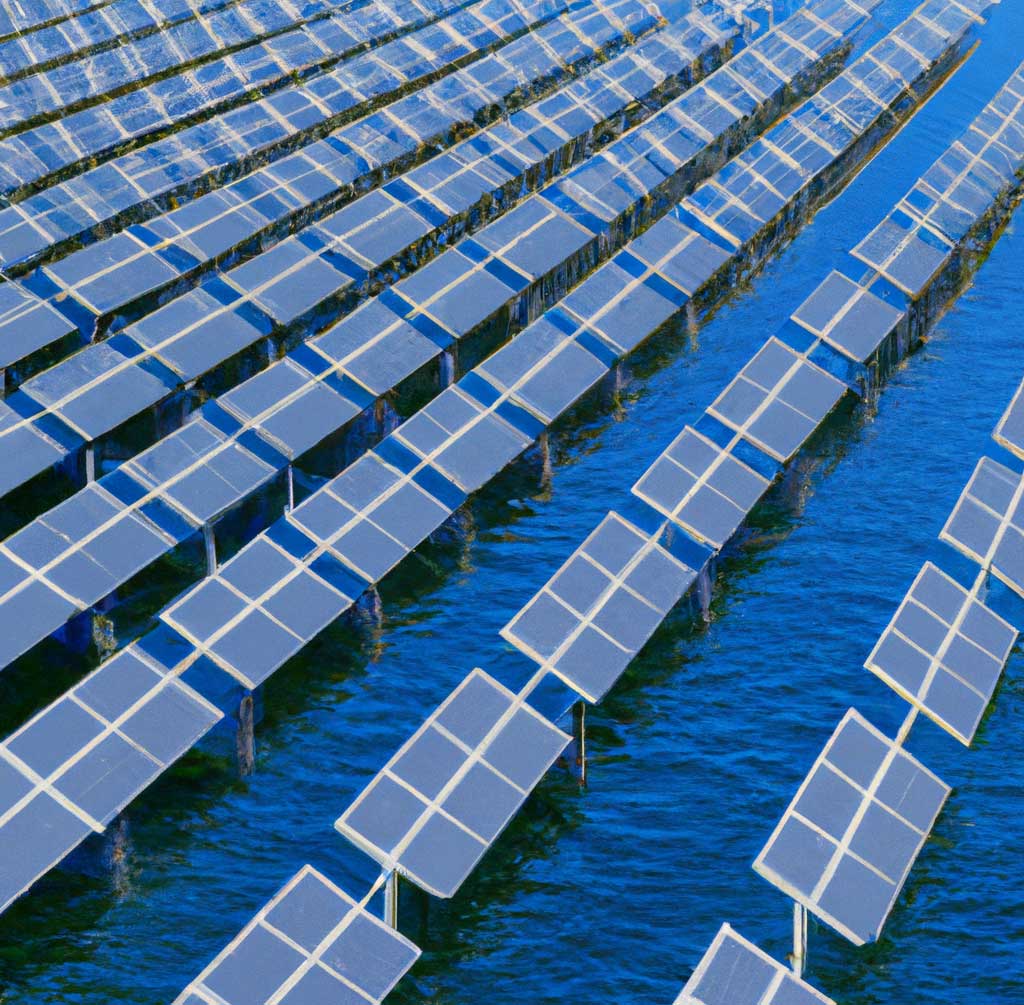
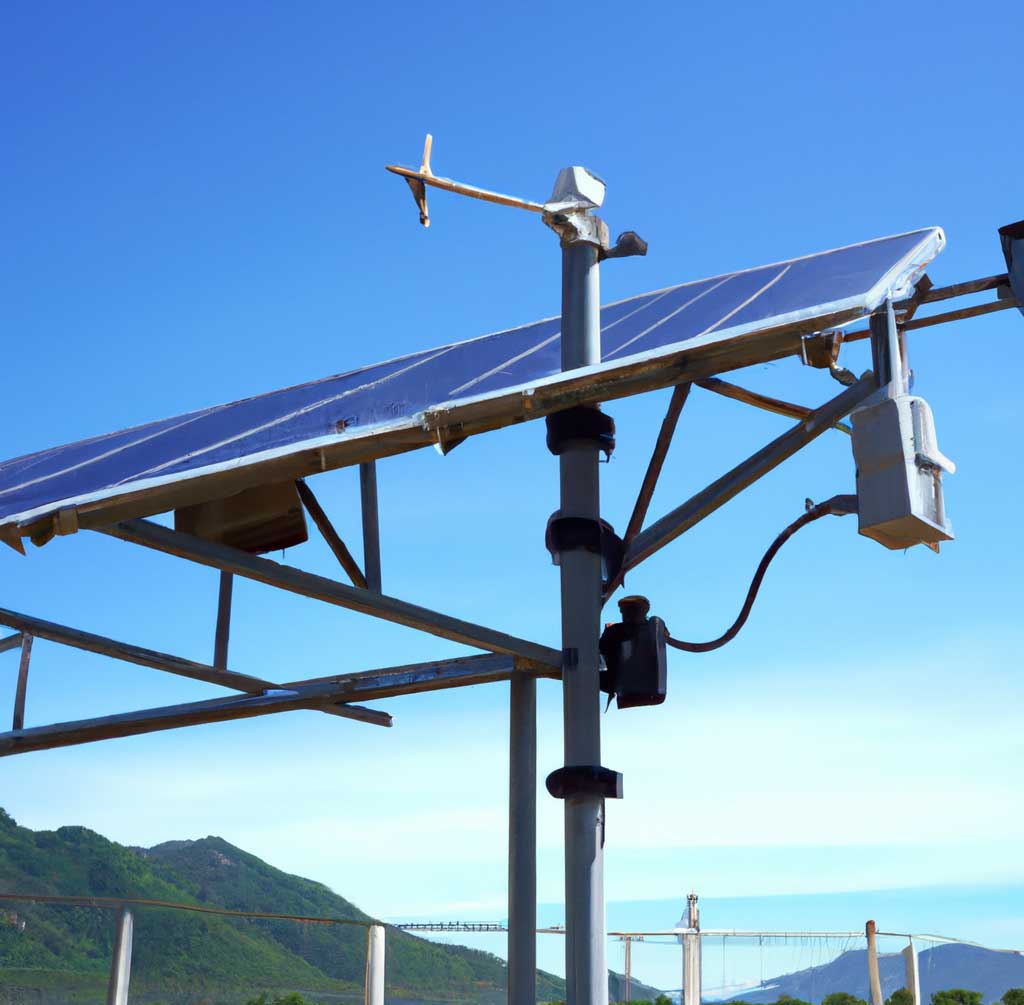
Ground-mounted systems is installed on the ground, usually in a large open space such as a field or a yard. Ground-mounted systems are often used for large-scale solar power plants.
Ground-mounted systems for solar panels refer to the installation of photovoltaic (PV) panels on the ground, as opposed to being mounted on rooftops or other structures. These systems are an increasingly popular choice for harnessing solar energy, offering several advantages over their rooftop counterparts.
One of the primary advantages of ground-mounted systems is their flexibility in terms of positioning and orientation. Unlike rooftop installations, which are limited by the size, shape, and direction of the available roof space, ground-mounted systems can be strategically positioned to maximize solar exposure. By adjusting the tilt and azimuth angles, the panels can be optimized to capture the maximum amount of sunlight throughout the day, resulting in higher energy production.
Additionally, ground-mounted systems are often easier and more cost-effective to install compared to rooftop installations. They do not require any modifications or reinforcements to existing structures, eliminating the need for potentially expensive structural assessments. Ground-mounted systems also allow for simpler and safer maintenance and cleaning, as they are easily accessible for technicians.
Another advantage of ground-mounted systems is their scalability. They can be designed to accommodate a wide range of panel configurations, making them suitable for both residential and commercial applications. Large-scale ground-mounted solar farms have become increasingly popular, especially in areas with abundant open land. These solar farms can generate significant amounts of electricity and contribute to the transition to renewable energy sources.
Furthermore, ground-mounted systems offer the potential for improved energy efficiency. By implementing tracking systems, which adjust the angle of the panels to follow the sun's path throughout the day, ground-mounted installations can achieve even higher energy yields. Tracking systems can significantly increase the overall energy production of a solar array by up to 25% compared to fixed-tilt systems.
While ground-mounted systems offer numerous benefits, they also come with a few considerations. Land availability is a crucial factor, especially in densely populated areas where open land may be limited. Environmental impact assessments should be conducted to ensure that the installation does not adversely affect the local ecosystem, including wildlife habitats and vegetation.
In conclusion, ground-mounted systems for solar panels provide a versatile and efficient solution for harnessing solar energy. With their flexibility in positioning, scalability, and potential for increased energy production, these systems are becoming increasingly popular for residential, commercial, and utility-scale applications. As solar power continues to play a vital role in the transition to sustainable energy sources, ground-mounted systems contribute to the growth and adoption of renewable energy technologies.