



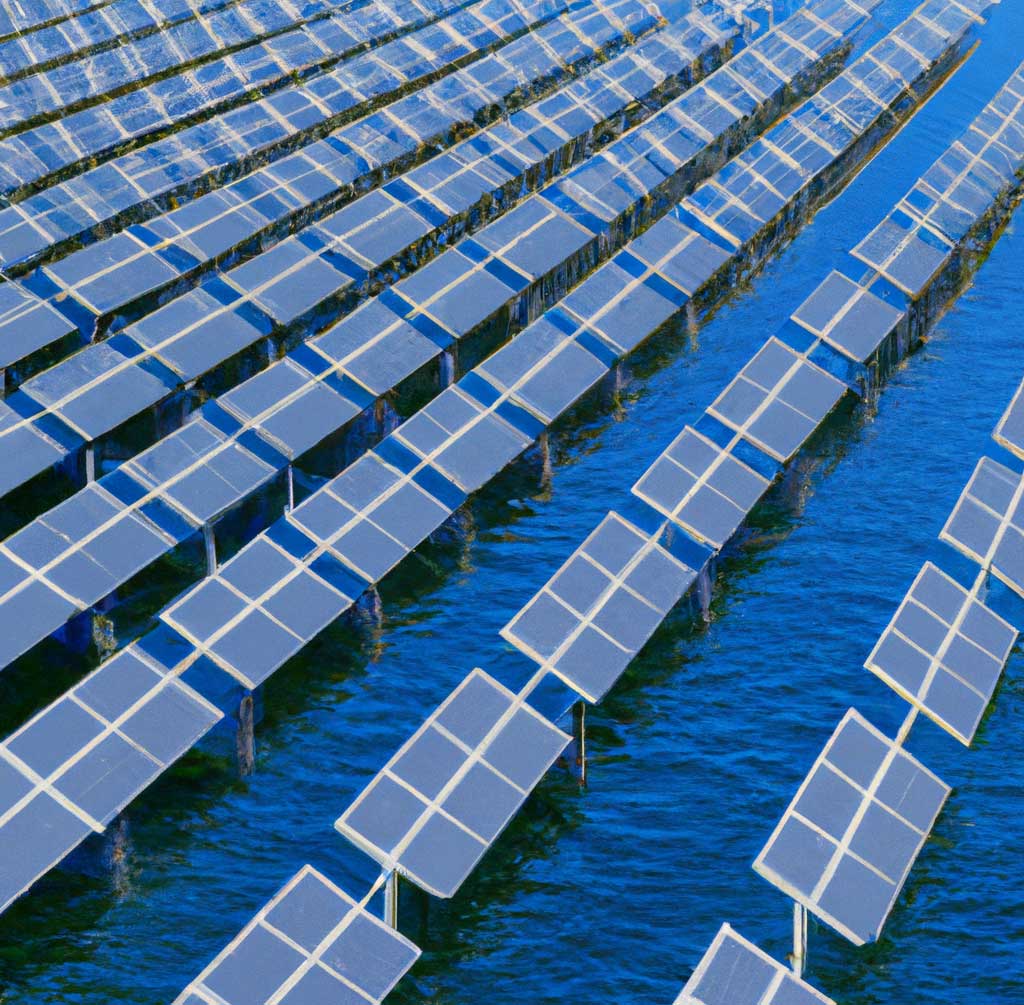
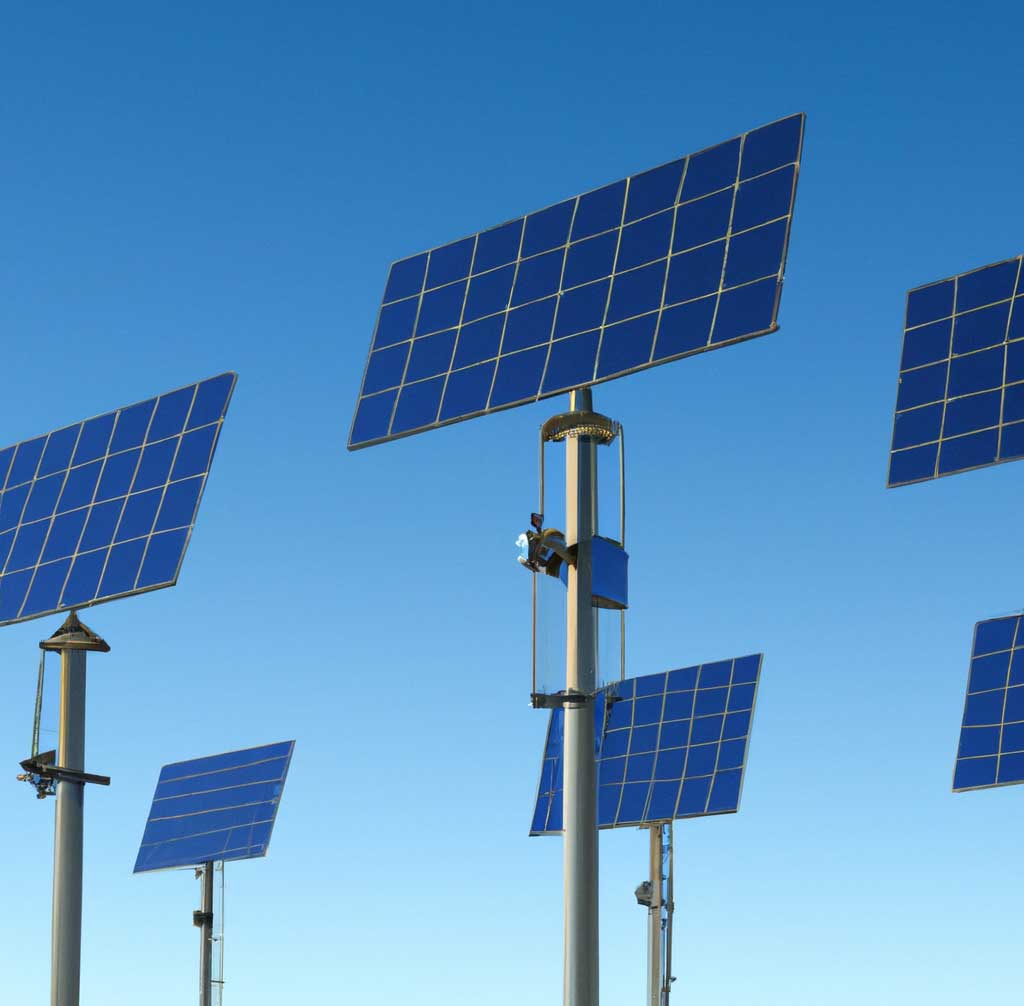
Tracking systems use motors to move the solar panels throughout the day to track the movement of the sun, which maximizes the amount of energy generated. We will not use this systems on household projects.
Tracking mounting systems for solar panels are an innovative and efficient solution that maximizes the performance and energy output of solar installations. These systems are designed to follow the sun's path throughout the day, adjusting the position of solar panels to capture the maximum amount of sunlight and optimize energy generation.
Unlike fixed-mount systems, which keep solar panels in a stationary position, tracking mounting systems use advanced technology to orient panels towards the sun as it moves across the sky. By continuously adjusting the tilt and azimuth angles of the solar panels, these systems ensure that the panels are always perpendicular to the sun's rays, maximizing the amount of solar energy captured.
There are two primary types of tracking mounting systems: single-axis and dual-axis trackers. Single-axis trackers move panels along one axis, typically from east to west, following the sun's daily path. These trackers provide a significant improvement over fixed-mount systems by increasing energy production by around 20-30%.
On the other hand, dual-axis trackers provide even greater performance enhancements by moving solar panels along both horizontal and vertical axes. This allows the panels to track the sun's movement throughout the day and adjust for seasonal variations. Dual-axis trackers can increase energy production by up to 40% compared to fixed-mount systems, making them an attractive option for maximizing solar output in regions with higher latitudes or significant seasonal variations.
The tracking mechanism of these mounting systems relies on advanced sensors, motors, and control algorithms to ensure precise and accurate solar panel positioning. Sensors detect the sun's position, and motors move the panels accordingly. Control algorithms calculate the optimal position for the panels based on factors such as the time of day, location, and seasonal variations.
In addition to their energy generation benefits, tracking mounting systems offer other advantages. They can reduce the required number of solar panels by generating more energy per panel, optimizing land usage and reducing installation costs. These systems can also improve the overall reliability and durability of solar installations by reducing the impact of shading, dust, and debris on the panels.
However, it's important to note that tracking mounting systems come with some considerations. They require additional maintenance compared to fixed-mount systems due to the mechanical components involved. They also have higher upfront costs and increased complexity in installation and system design.
Overall, tracking mounting systems for solar panels are an advanced technology that can significantly enhance the performance and efficiency of solar installations. Their ability to track the sun's movement and optimize energy capture makes them an attractive option for both residential and commercial solar projects, especially in areas with high energy demands or challenging environmental conditions.