



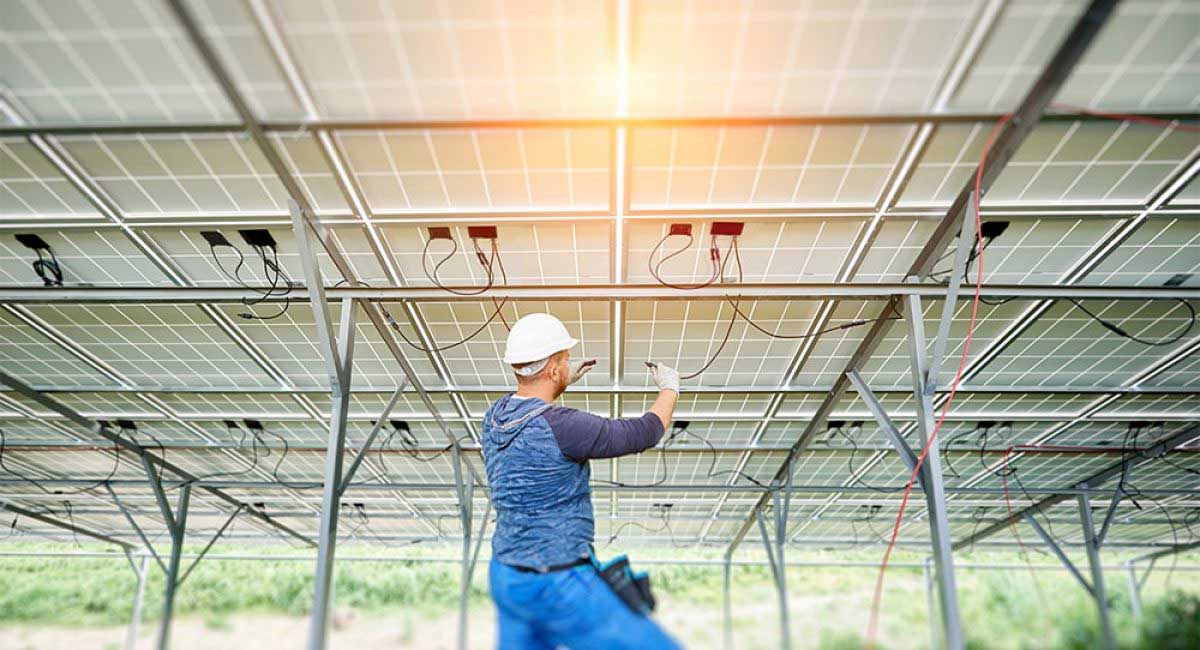
The purpose of a micro inverter for a solar panel is to convert the direct current (DC) electricity generated by an individual solar panel into alternating current (AC) electricity that can be used by household appliances or fed into the electrical grid. Unlike traditional string inverters, which are commonly used in solar installations, micro inverters are typically installed on each individual solar panel.
Key reasons why micro inverters are used in solar panel systems:
Increased energy production: Micro inverters operate on a per-panel basis, allowing each panel to work independently and optimize its energy production. In contrast, traditional string inverters can be affected by shading, dirt, or panel mismatch, which can reduce the overall output of the entire string of panels. With micro inverters, the performance of each panel is optimized, resulting in higher energy yields.
Enhanced system safety: Micro inverters have built-in safety features, such as rapid shutdown capability. In case of an emergency or maintenance situation, micro inverters can quickly and automatically shut down the individual panel's AC output, minimizing the risk of electric shocks and fire hazards. This safety feature is particularly useful for firefighters and maintenance personnel.
Panel-level monitoring: Micro inverters provide detailed monitoring capabilities at the panel level. This means that you can monitor the performance of each individual panel in real-time, including its energy production, voltage, and other relevant metrics. This level of monitoring helps identify and diagnose any issues with specific panels, enabling faster troubleshooting and maximizing the overall system efficiency.
Scalability and flexibility: Micro inverters offer greater scalability and flexibility in solar panel installations. Since each panel operates independently, it is easier to expand the system by adding more panels without affecting the performance of existing panels. Additionally, micro inverters allow for the installation of panels with different orientations or shading conditions, as the performance of each panel is not dependent on others.
Increased system reliability: By eliminating the reliance on a single string inverter, the overall reliability of the solar system is improved. If a single micro inverter fails, the rest of the system can continue to function normally, whereas a failure in a string inverter can significantly impact the output of the entire string. This modular design of micro inverters improves system reliability and simplifies maintenance.
Overall, the purpose of a micro inverter in a solar panel system is to optimize energy production, increase system safety, provide panel-level monitoring, offer scalability, and enhance the overall reliability of the solar installation.